
3Ro – Ciencias Sociales
-
Syllabus
UNIT 1: Latin America: pre-columbian peoples10 Lessons-
THE INCAS
-
Aztecs: Maths
-
Mayan Calendar
-
Mines and The Mitas system
-
Spanish & Portuguese Colonization similarities and differences
-
Colonial System chart: Spain 1492 and Portugal 1500
-
⫷ 𝓑𝓪𝓻𝓸𝓺𝓾𝓮 𝓐𝓻𝓽 𝓪𝓷𝓭 𝓒𝓱𝓪𝓻𝓪𝓬𝓽𝓮𝓻𝓲𝓼𝓽𝓲𝓬𝓼 ⫸
-
𝑊𝑜𝑚𝑒𝑛 𝑖𝑛 𝑡ℎ𝑒 𝑐𝑜𝑙𝑜𝑛𝑦: 𝑊ℎ𝑖𝑡𝑒 𝑤𝑜𝑚𝑒𝑛 - 𝐼𝑛𝑑𝑖𝑔𝑒𝑛𝑜𝑢𝑠 𝑤𝑜𝑚𝑒𝑛 - 𝐻𝑎𝑙𝑓-𝐶𝑎𝑠𝑡𝑒 𝑊𝑜𝑚𝑒𝑛, 𝐼𝑛𝑑𝑖𝑔𝑒𝑛𝑜𝑢𝑠 𝑢𝑝𝑟𝑖𝑠𝑖𝑛𝑔𝑠.
-
𝔼𝕣𝕒 𝕠𝕗 𝕘𝕝𝕠𝕓𝕒𝕝 𝕔𝕠𝕟𝕗𝕝𝕚𝕔𝕥𝕤 𝕒𝕟𝕕 𝕣𝕖𝕔𝕠𝕧𝕖𝕣𝕚𝕖𝕤 - 𝔼𝕩𝕡𝕝𝕠𝕣𝕚𝕟𝕘 𝕥𝕙𝕖 𝕘𝕖𝕠𝕘𝕣𝕒𝕡𝕙𝕪 𝕠𝕗 𝕎𝕠𝕣𝕝𝕕 𝕨𝕒𝕣 𝕀
-
𝐸𝑥𝑝𝑙𝑜𝑟𝑖𝑛𝑔 𝑡ℎ𝑒 𝑔𝑒𝑜𝑔𝑟𝑎𝑝ℎ𝑦 𝑜𝑓 𝑊𝑜𝑟𝑙𝑑 𝑤𝑎𝑟 𝐼𝐼
-
THE INCAS
-
UNIT 2 From the Middle ages to Modern - Decline of the Byzantine Empire*2 Lessons
-
SyllabusUnidad 1 Historia Medieval (6 Semanas)4 Lessons
-
Unidad 2 Cultura y vida de los pueblos precolombinos (7 semanas)3 Lessons
-
Unidad 3 El choque cultural en la conquista de América (7 semanas)3 Lessons
-
Unidad 4 El sistema colonial en los siglos XVI y XVII (6 semanas)3 Lessons
-
Unidad 5 Transformaciones sociales y políticas en América Latina ( 6 semanas)3 Lessons
-
Unidad 6 Mundo Contemporáneo (12 semanas)4 Lessons
Aztecs: Maths
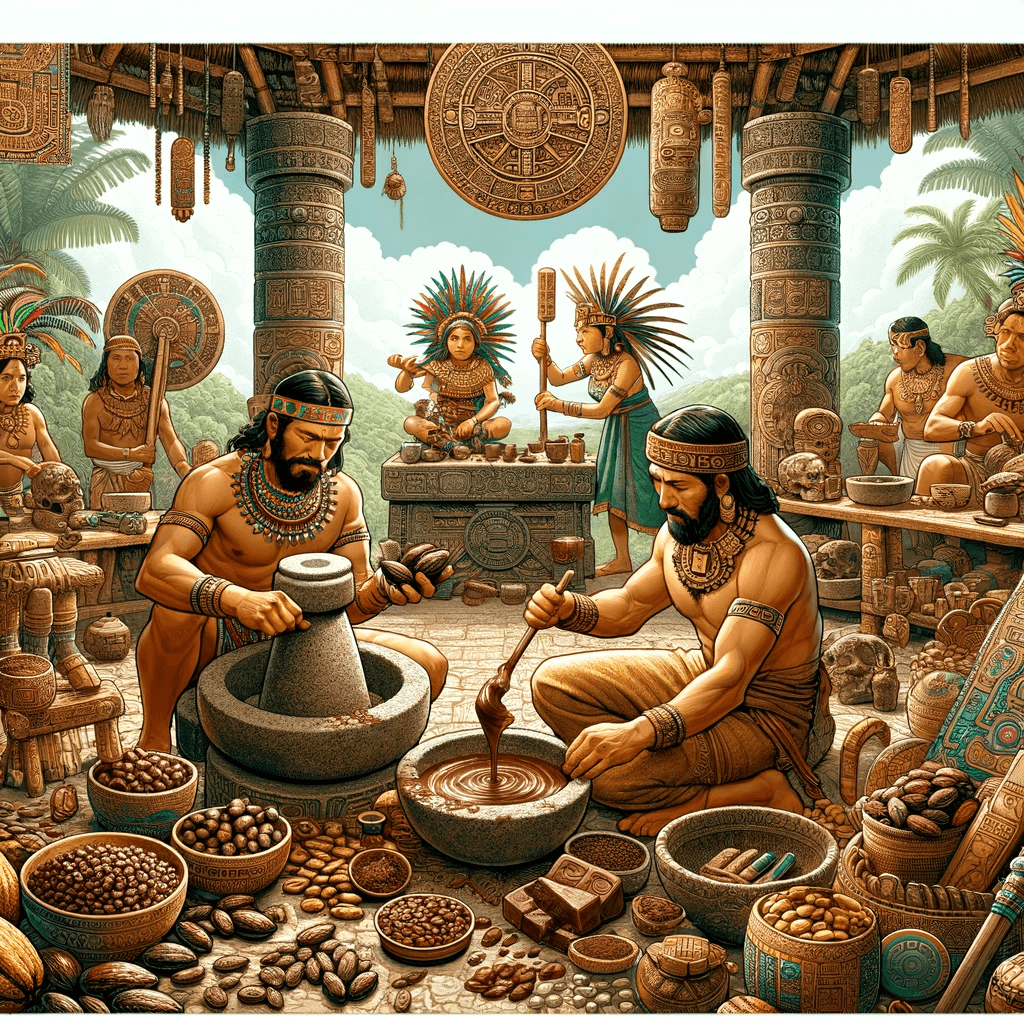
😊 CLOSE YOUR EYES AND IMAGINE ✨ Numbers of the Sun God
“Imagine living in the bustling city of Tenochtitlán, the heart of the Aztec Empire, where the markets are lively, the pyramids are towering, and every trade, construction, and chocolate recipe relies on one thing… math! Yes, even chocolate! The Aztecs were not only fierce warriors but also remarkable mathematicians. So, let’s count like an Aztec, but be careful – you wouldn’t want to miscalculate your cocoa beans!”
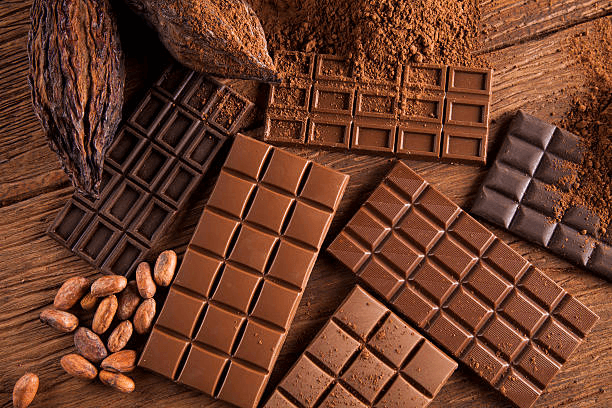
The Legacy of Aztec Numbers
“As we wrap up today’s math adventure, let’s remember that the Aztecs didn’t just leave behind pyramids and legends – they left us a legacy of mathematical genius.
Their contributions remind us that math isn’t just about numbers; it’s about the stories and civilizations that used it to chart the stars, build cities, and yes, even make chocolate tastier!”
🅗🅞🅜🅔🅦🅞🅡🅚 💻 👇
Math Station Setup
Divide into small groups and arrange different stations around the room, each designated for specific mathematical tasks using Aztec numerals.
Station Examples:
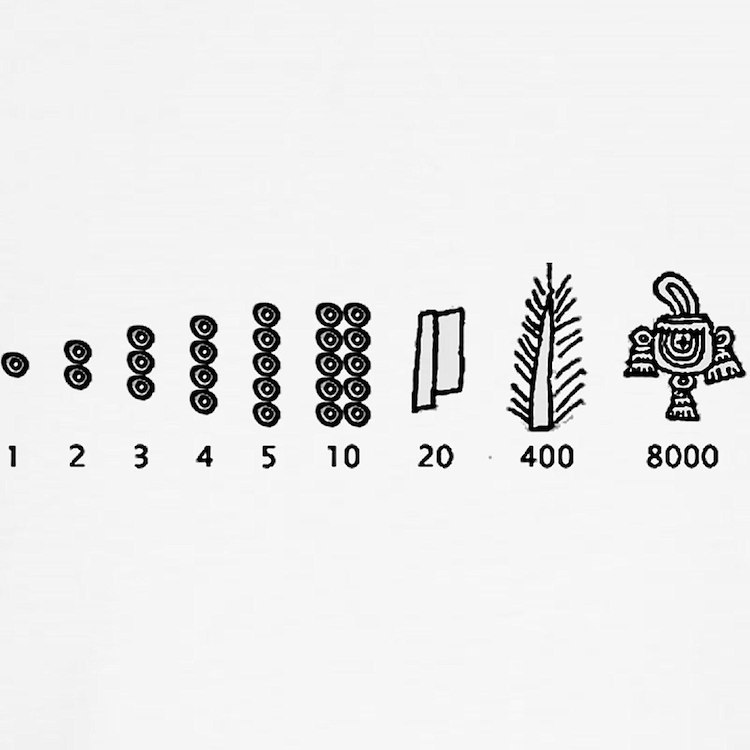
- Cocoa Bean Division: “You have 100 cocoa beans, which need to be evenly divided among 5 Aztec traders. How many beans does each trader get?”
- Temple Brick Calculation: “An Aztec temple requires 300 bricks for its construction. Each worker can make 20 bricks a day. How many workers are needed to complete the job in one day?”
- Market Trade: “At the market, you can trade 60 feathers for a gold necklace. If one turkey gives you 5 feathers, how many turkeys do you need to trade for a necklace?”