
3Ro – Ciencias Sociales
-
Syllabus
UNIT 1: Latin America: pre-columbian peoples10 Lessons-
THE INCAS
-
Aztecs: Maths
-
Mayan Calendar
-
Mines and The Mitas system
-
Spanish & Portuguese Colonization similarities and differences
-
Colonial System chart: Spain 1492 and Portugal 1500
-
⫷ 𝓑𝓪𝓻𝓸𝓺𝓾𝓮 𝓐𝓻𝓽 𝓪𝓷𝓭 𝓒𝓱𝓪𝓻𝓪𝓬𝓽𝓮𝓻𝓲𝓼𝓽𝓲𝓬𝓼 ⫸
-
𝑊𝑜𝑚𝑒𝑛 𝑖𝑛 𝑡ℎ𝑒 𝑐𝑜𝑙𝑜𝑛𝑦: 𝑊ℎ𝑖𝑡𝑒 𝑤𝑜𝑚𝑒𝑛 - 𝐼𝑛𝑑𝑖𝑔𝑒𝑛𝑜𝑢𝑠 𝑤𝑜𝑚𝑒𝑛 - 𝐻𝑎𝑙𝑓-𝐶𝑎𝑠𝑡𝑒 𝑊𝑜𝑚𝑒𝑛, 𝐼𝑛𝑑𝑖𝑔𝑒𝑛𝑜𝑢𝑠 𝑢𝑝𝑟𝑖𝑠𝑖𝑛𝑔𝑠.
-
𝔼𝕣𝕒 𝕠𝕗 𝕘𝕝𝕠𝕓𝕒𝕝 𝕔𝕠𝕟𝕗𝕝𝕚𝕔𝕥𝕤 𝕒𝕟𝕕 𝕣𝕖𝕔𝕠𝕧𝕖𝕣𝕚𝕖𝕤 - 𝔼𝕩𝕡𝕝𝕠𝕣𝕚𝕟𝕘 𝕥𝕙𝕖 𝕘𝕖𝕠𝕘𝕣𝕒𝕡𝕙𝕪 𝕠𝕗 𝕎𝕠𝕣𝕝𝕕 𝕨𝕒𝕣 𝕀
-
𝐸𝑥𝑝𝑙𝑜𝑟𝑖𝑛𝑔 𝑡ℎ𝑒 𝑔𝑒𝑜𝑔𝑟𝑎𝑝ℎ𝑦 𝑜𝑓 𝑊𝑜𝑟𝑙𝑑 𝑤𝑎𝑟 𝐼𝐼
-
THE INCAS
-
UNIT 2 From the Middle ages to Modern - Decline of the Byzantine Empire*2 Lessons
-
SyllabusUnidad 1 Historia Medieval (6 Semanas)4 Lessons
-
Unidad 2 Cultura y vida de los pueblos precolombinos (7 semanas)3 Lessons
-
Unidad 3 El choque cultural en la conquista de América (7 semanas)3 Lessons
-
Unidad 4 El sistema colonial en los siglos XVI y XVII (6 semanas)3 Lessons
-
Unidad 5 Transformaciones sociales y políticas en América Latina ( 6 semanas)3 Lessons
-
Unidad 6 Mundo Contemporáneo (12 semanas)4 Lessons
Mines and The Mitas system
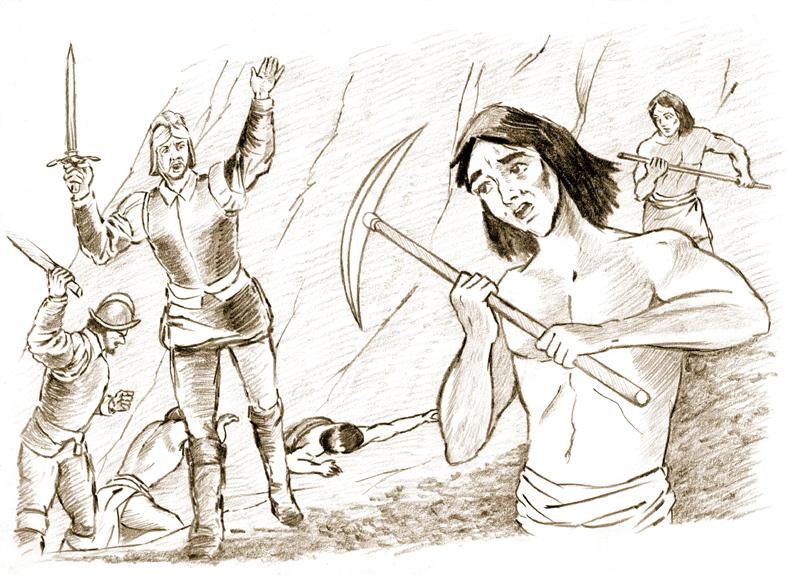
Mines and the Mita System
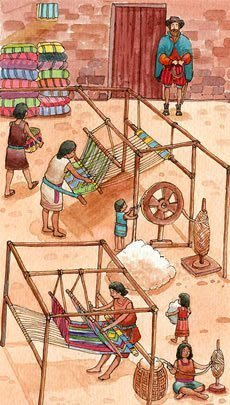
The Mita was a labor system imposed by the Spanish colonizers in the Andean region, where indigenous people were forced to work in mines (notably the silver mines of Potosí), parcels (large estates), and obrajes (textile workshops). This system was a form of concertation, meaning the compulsory recruitment of indigenous labor for colonial enterprises.
*WORK TOGETHER*
ºCreate a list of jobs and their duties during XX century
ºCreate a list of jobs and their duties during XXI century
ºNow compare with the slavery and hard working indigenous people had to pass through during colonialism, then make a reflexion about it through a poem.
Interactive Activities:
Role-Play Debate – “The Mita System: For and Against”
Objective: Understand the impacts of the Mita system from multiple perspectives. Instructions:
- Preparation: Divide the class into three groups: indigenous workers, Spanish colonial administrators, and a neutral council (e.g., historians or economists).
- Research: Each group researches arguments supporting their stance on the Mita system.
- Debate: Conduct a structured debate. Indigenous workers express the hardships and injustices they faced, Spanish administrators justify the system’s economic “benefits,” and the neutral council analyzes the arguments, considering moral and economic impacts.
- Reflection: Discuss as a class the contemporary implications of historical labor systems like the Mita.