
Reading and Listening Comprehension: MISSING (Formal – news reports, news articles AND Informal – conversations, personal opinion articles, social media)
Formal: news reports, news articles
Learning goals
Differentiate Between Formal and Informal Contexts: Learn to recognize and understand the differences between formal and informal language in reading and listening.
Enhance Comprehension Skills: Improve your ability to comprehend and analyze both formal and informal texts and audio.
Apply Contextual Understanding: Use context to interpret the tone, purpose, and audience of the communication.
Develop Critical Thinking: Analyze the content, structure, and purpose of various types of formal and informal communications.
What Are News Reports and News Articles?
News Reports
News reports provide factual information about recent events. They are typically brief, focusing on the key facts such as who, what, when, where, why, and how.
Example: A report on a natural disaster, detailing the location, impact, and response efforts.
News Articles
News articles often explore a topic in more depth, providing background information, analysis, and sometimes opinions. They are longer and may include interviews, quotes, and expert commentary.
Example: An article discussing the implications of a new law, with perspectives from various stakeholders.

Structure of News Reports and Articles
Headline: Summarizes the main point or topic of the report/article.
- Example: “Local Community Rallies After Major Flood.”
Lead (Introduction): The opening paragraph that provides a summary of the most important information.
- Example: “Residents in the small town of Riverbend are coming together to support each other after a flood devastated the area yesterday, displacing hundreds.”
Body: Provides detailed information, including facts, quotes, and background.
- Example: “The flood, caused by heavy rainfall, has been described as the worst in the town’s history. Emergency services are on the scene, and local charities have set up shelters for those affected.”
Conclusion: Often includes final thoughts, a call to action, or information about what happens next.
- Example: “Officials are urging residents to stay informed through local news channels for updates on recovery efforts.”

Uses of Formal News Reports and Articles
Informing the Public:
- News reports and articles are primary sources of information for the public, keeping people informed about current events, government decisions, and global issues.
Providing Analysis:
- News articles often analyze events, helping readers understand the implications of what’s happening and offering various perspectives.
Supporting Critical Thinking:
- Reading news critically helps you develop the ability to evaluate sources, distinguish between fact and opinion, and recognize bias.
Facilitating Discussions:
- News reports and articles are often used as the basis for discussions in academic and professional settings, making comprehension essential for meaningful participation.
Documenting History:
- News articles serve as records of events, preserving information for future reference and study.
Informal Conversations, Personal Opinion Articles, and Social Media Content
Informal Conversations
These are everyday dialogues that happen between friends, family, or acquaintances. They are relaxed and often use slang, idiomatic expressions, and casual language.
Example: “Hey, what’s up? Wanna grab a coffee later?”
Personal Opinion Articles
These are written pieces where the author expresses their personal views on a topic. They are subjective, use a conversational tone, and may include humor, anecdotes, and rhetorical questions.
Example: A blog post titled “Why I Think Summer is the Best Season.”
Social Media Content
This includes posts, comments, tweets, and other content shared on platforms like Instagram, Twitter, and Facebook. It is often brief, informal, and uses abbreviations, hashtags, and emojis.
Example: A tweet saying, “Just finished my workout! Feeling amazing! 💪 #FitnessGoals”

These are everyday dialogues that happen between friends, family, or acquaintances. They are relaxed and often use slang, idiomatic expressions, and casual language.
Example: “Hey, what’s up? Wanna grab a coffee later?”

Uses of Informal Language
Building Relationships:
- Informal language is essential for establishing and maintaining personal relationships. It creates a sense of closeness and familiarity.
Expressing Personal Views:
- Informal language allows individuals to express their opinions and emotions freely, often in a more engaging and relatable way.
Social Media Communication:
- Informal language dominates social media, where brevity and informality are key to engaging with others online.
Casual Communication:
- It’s used in casual settings where formal language would be too stiff or inappropriate, such as in chats with friends or family.
Cultural Expression:
- Informal language often reflects cultural trends, slang, and evolving language practices, making it a rich area for understanding contemporary communication.
Learning activities
EGB-Formal: news reports, news articles
Headline Matching
Objective: Understand the importance of headlines and match them to appropriate news reports.
Instructions:
- Task: Read several short news reports provided by the teacher.
- Matching: Match each report with the correct headline from a list.
- Class Discussion: Discuss how headlines summarize the main point of the report and why they are effective.
- Example: Matching a report on a school event with the headline “Local Students Win Science Fair.”

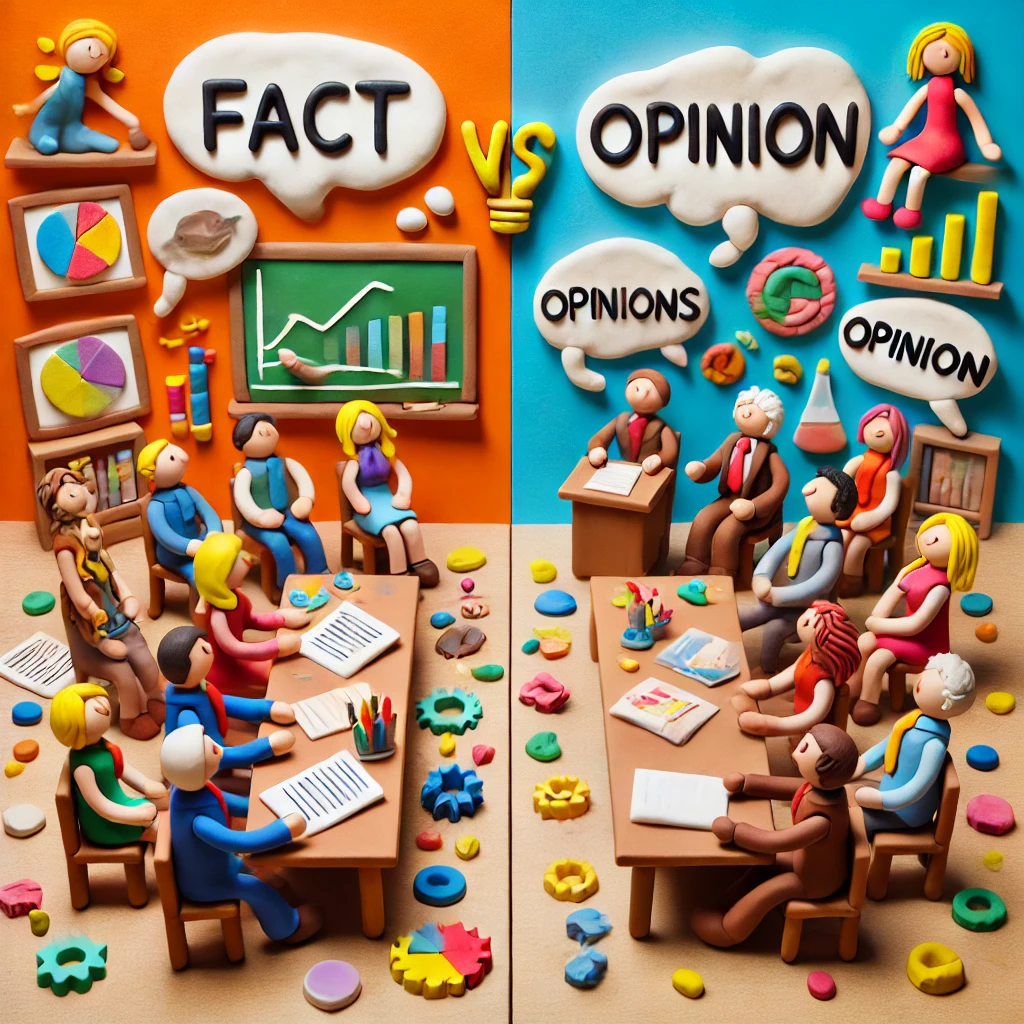
Fact vs. Opinion
Objective: Differentiate between factual information and opinions in a news article.
Instructions:
- Task: Read a news article and highlight sentences that are factual in one color and opinions in another.
- Class Activity: Share your findings with the class and discuss how distinguishing between facts and opinions can help in understanding the article’s bias.
- Example: Highlighting factual information about a new law and differentiating it from opinions expressed by an expert in the article.
EGB- Informal Conversations
Social Media Analysis
Objective: Analyze informal language used in social media posts.
Instructions:
- Task: Choose a few social media posts from platforms like Instagram, Twitter, or Facebook.
- Analysis: Identify and discuss the informal language, abbreviations, hashtags, and tone used in the posts.
- Class Discussion: Share your findings with the class and discuss the effectiveness of informal language in social media communication.
- Example: Analyzing a tweet that uses slang, emojis, and hashtags to convey a message quickly and informally.

BGU-Formal: news reports, news articles
News Article Analysis
Objective: Analyze a news article to understand its structure and content.
Instructions:
- Task: Choose a news article and break it down into its main components: headline, lead, body, and conclusion.
- Class Activity: Present your analysis to the class, explaining how each part contributes to the overall effectiveness of the article.
- Discussion: Discuss the role of structure in making the article clear and engaging.
- Example: Analyzing an article on a political event, identifying how the lead captures attention and how the body provides detailed analysis.

Writing a News Report
Objective: Apply your understanding of formal news language by writing your own news report.
Instructions:
- Scenario: Choose a recent event at your school or in your community.
- Writing: Write a news report about the event, including a headline, lead, body, and conclusion.
- Class Activity: Share your reports with the class and discuss how well they convey the information.
- Example: Writing a report on a school charity event, focusing on who, what, when, where, why, and how.

BGU- Informal Conversations
Social Media Content Creation
Objective: Create engaging social media content using informal language.
Instructions:
- Task: Choose a topic you’re passionate about and create a series of social media posts, including captions, hashtags, and emojis.
- Sharing: Share your posts with the class and discuss how informal language can make content more engaging and relatable.
- Class Activity: Vote on the most creative and engaging posts.
- Example: Creating posts about a favorite hobby, using informal language and visuals to connect with an audience.

Additional Resources:
– Formal and informal language