
K-LEARNING PROJECT
SKILLS
EFL 5.5.1 (Language through the Arts):Compare and contrast shared themes, metaphors, and cultural subtexts across different genres of literature and multimedia formats (e.g., matching traditional prose to cinematic scripting).
EFL 5.4.2 (Writing): Write a variety of complex text types (including short script adaptations or rhythmic lyric structures) using advanced grammatical structures and stylized language appropriate for the target genre.
EFL 5.2.3 (Oral Communication): Interact in spontaneous or prepared debates and presentations, expressing speculative ideas, theories, and abstract opinions smoothly using precise modal structures.
REAL-LIFE APPLICATION
In the modern digital landscape, content adaptation is a massive industry. Whether it’s turning a book into a Netflix screenplay, translating a poem into an indie song, or editing a promotional video, cross-media translation requires a deep understanding of audience expectations and tone. By stepping into the shoes of writers and media critics, students practice high-level editorial thinking, project management, and persuasive speaking—skills directly used by screenwriters, media executives, and digital content strategias.
LEARNING ACTIVITIES
SESSION 1 (80 min)
Final Project
The Setup
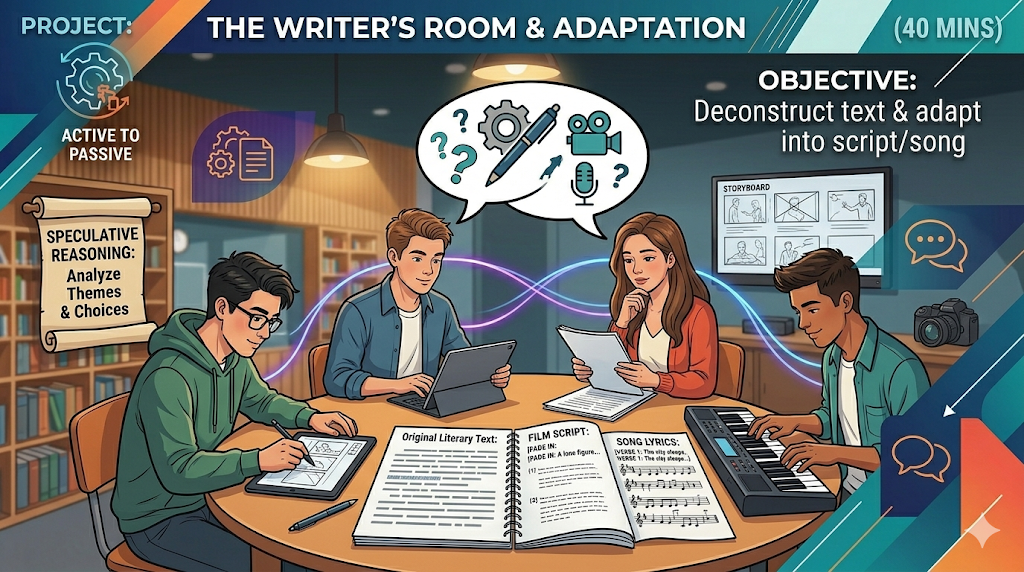
Period 1: The Writer’s Room & Adaptation (40 Mins)
Objective: Deconstruct a literary text and adapt it into a film script or song lyric using speculative analytical reasoning.
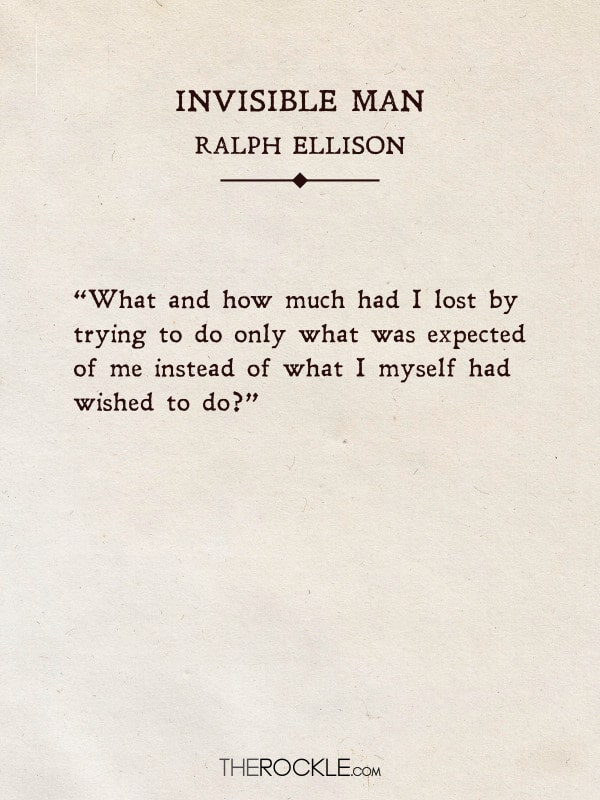
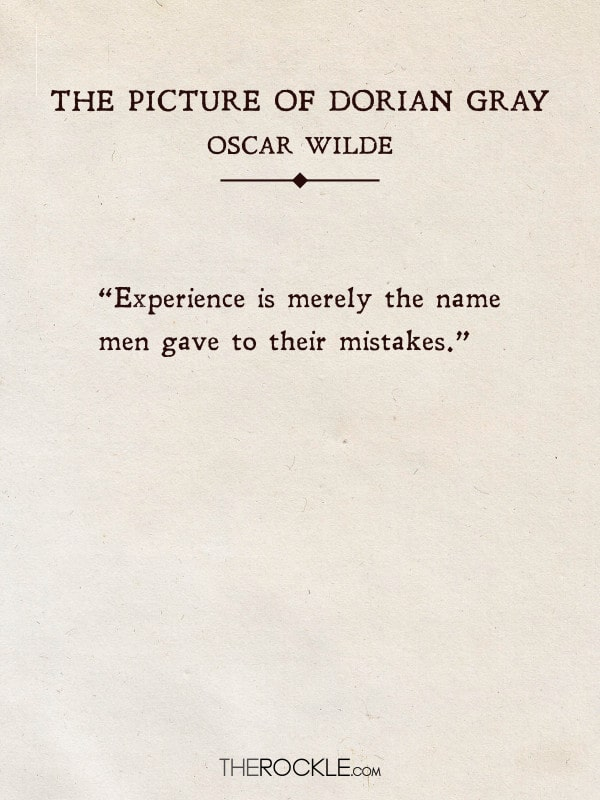

- Setup & Text Selection (5 minutes): Provide students with 3 short, intense excerpts from classical or contemporary literature (e.g., a suspenseful moment from Frankenstein, an existential choice in The Giver, or a dramatic confrontation from Romeo and Juliet). Form groups of 3 or 4.
- The Deconstruction & Speculation Phase (15 minutes): Before writing, groups must complete a “Speculation Pitch” using modals. They must discuss the original author’s intent.Example: “The author must have chosen a slow narrative pace here to build anxiety, which means our film script might have to use rapid cuts instead to capture that same feeling visually.”
- The Adaptation Workshop (20 minutes): Teams actively write their adaptation. They choose one track:
- Track A (Film Script): Write a 1-page screenplay scene complete with parentheticals, dialogue, and camera cues.
- Track B (Music Lyric): Write a verse and chorus of a song that internalizes the character’s subtext, focusing on rhyme, rhythm, and extended metaphors.
Period 2: The Pitch & The Showcase (40 Mins)
Objective: Present the adapted media and defend creative choices using past and present modals of speculation.
- Final Touch-ups & Presentation Setup (5 minutes): Teams quickly review their texts and assign speaking roles for their presentation.
- The Screen & Stage Showcase (25 minutes): Each group gets 4 minutes to present. Their presentation must follow a strict split-format:
- The Performance (2 mins): Read their script dramatically or perform/recite their lyrics with atmospheric background music.
- The Speculative Defense (2 mins): The group defends their artistic changes to the class using a minimum of 3 past/present modals of speculation.
- Peer Evaluation & Wrap-up (10 minutes): The audience acts as “Executive Producers.” They use a quick feedback sheet to vote on the most seamless media transition. To close, the teacher highlights standout uses of advanced modal structures heard during the defense phase.
NEE – Agregar el tipo de adaptaciones curriculares
Principio II: Pautas 6.1 – 6.3 – 6.4
Principio III: Pautas 7.1 – 8.1 – 9.1
ALUMNO 1: Constante monitoreo. Dar tiempo adicional para el desarrollo de la actividad y se reduce el número de ejercicios o se modifican los ejercicios con un nivel de dificultad reducido, de acuerdo con sus necesidades académicas.
ALUMNO 2: Constante monitoreo, Dar tiempo adicional para el desarrollo de la actividad y se reduce el número de ejercicios o se modifican los ejercicios con un nivel de dificultad reducido, de acuerdo con sus necesidades académicas.
ALUMNO 3: Constante monitoreo. Corroborar que el contenido entregado en clase haya sido comprendido por la estudiante mediante retroalimentación.