
End-of-Level Review Phase
SKILLS
EFL.5.2.7 Present information clearly and effectively in a variety of oral forms for a range of audiences and purposes.
EFL.5.2.15 Engage in an extended conversation on most general topics and keep it going by expressing and responding to suggestions, opinions, attitudes, advice, feelings, etc.

REAL-LIFE APPLICATION
This topic helps students finish the year by using English as a tool for participation. Global citizenship requires students to understand issues, listen to different perspectives, explain ideas, write with purpose, and interact respectfully. These are real skills for future academic projects, interviews, leadership roles, exchange programs, social campaigns, and professional communication.
LEARNING ACTIVITIES
SESSION 1 (80 min) ANTICIPATION
Part 1: The Global Citizenship Dilemma Screen (20 min)
The teacher presents three dilemma images or short video moments:
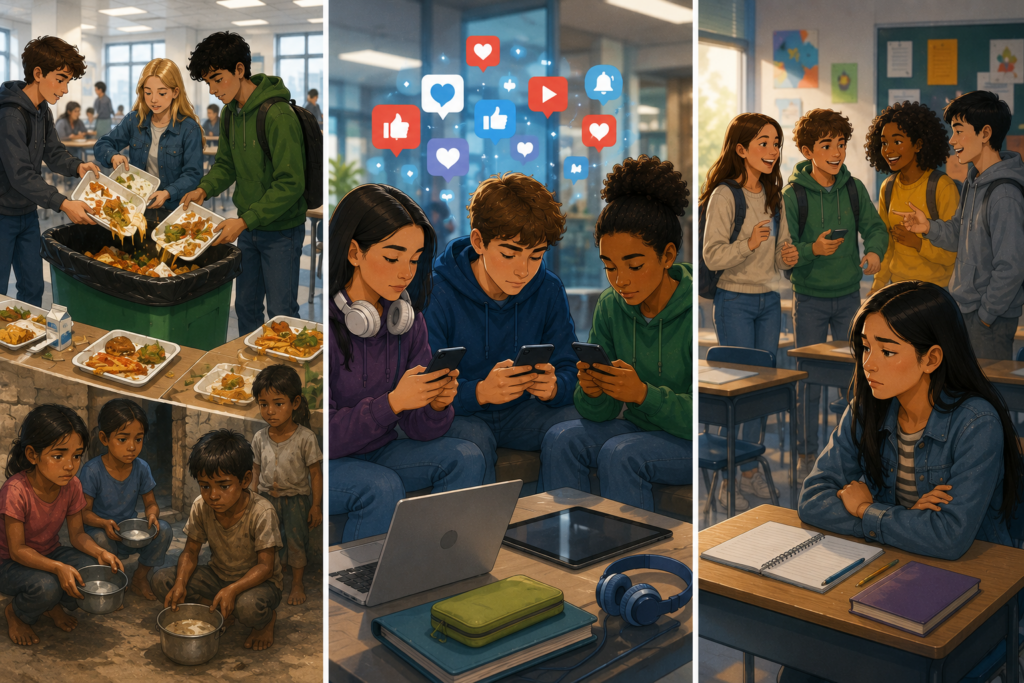
- A school wasting food while another community lacks resources.
- Students using technology irresponsibly.
- A classroom where some students are not included.
Students do not solve the problem immediately. First, they identify:
What is visible?
What is the deeper issue?
Who is affected?
What local action could connect to a global value?
What English skills would help explain the issue?
This makes the final unit feel more mature. Students are not simply reviewing grammar; they are using English to analyze and communicate responsibly.
Part 2: Vocabulary Activation: Concept-to-Action Mapping (15 min)
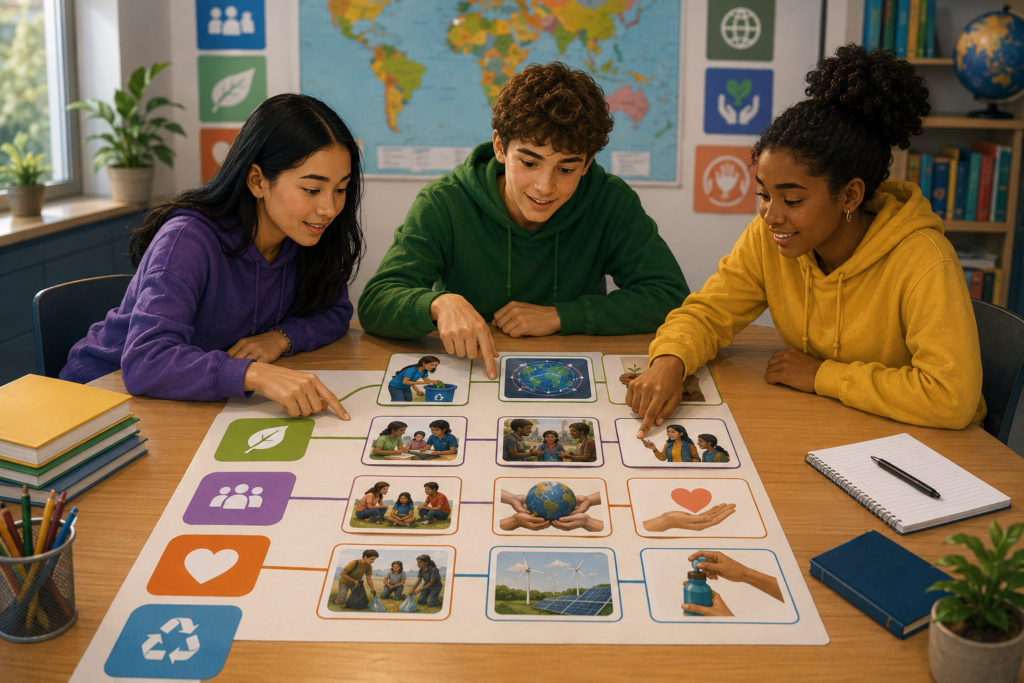
Students connect each word to three things: a school example, a global connection, and an action.
global citizenship
responsibility
inclusion
sustainability
equity
respect
diversity
participation
community
impact
evidence
perspective
dialogue
solution
action
awareness
cooperation
commitment
leadership
empathy
local issue
global issue
digital citizenship
environmental responsibility
cultural understanding
social impact
reflection
decision-making
advocacy
change
Part 3: Integrated Skills as Final Evidence of Learning (30 min)
The teacher explains that the final milestone is not a memory test. It is a performance that shows what students can do with English after a year of learning.
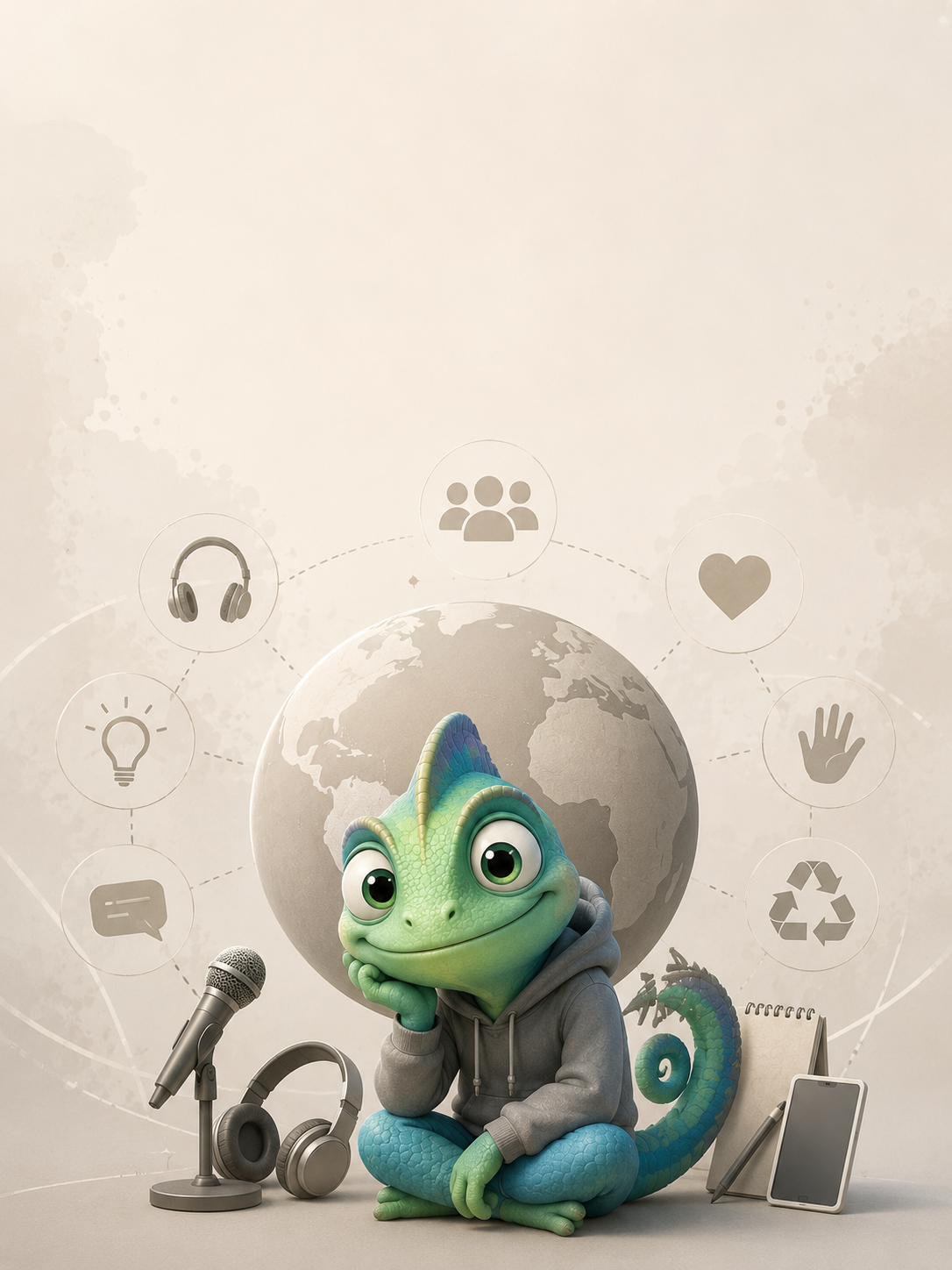
An integrated performance has four stages:
Input: students receive information through reading and listening.
Processing: students identify main ideas, details, purpose, and evidence.
Output: students speak and write using organized ideas.
Interaction: students respond to others, ask questions, clarify, and improve their message.
The goal is not only to say “I think.” Students should support ideas with evidence, propose realistic action, and explain impact.
A strong final performance includes:
a clear issue
evidence or observation
a local connection
a global citizenship value
a realistic action
expected impact
a final recommendation
Useful language:
“The issue I want to address is…”
“This matters because…”
“One piece of evidence is…”
“This connects to global citizenship because…”
“A realistic action would be…”
“This could improve…”
“One possible challenge is…”
“My final recommendation is…”
The teacher explains stamina for BGU:
Stamina is the ability to keep communication organized for a longer task. It means students can speak for 90 seconds, write 100–120 words, listen for details, read strategically, and respond to questions without losing the main idea.
Part 4: Evidence-to-Action Brief Builder (15 min)
Students receive a small evidence pack:
one short text
one audio detail
one image
one student opinion
They must build a brief using this order:
issue
evidence
interpretation
action
impact
Example:
Issue: food waste
Evidence: students throw away lunch
Interpretation: habits need improvement
Action: food-sharing table
Impact: less waste and more responsibility
This activity prepares students for the final test without repeating a normal presentation format.
SESSION 2: CONSTRUCTION – REINFORCEMENT (40 min)
Part 1 – Source Triangulation Challenge (20 min)
Students receive three different sources about the same topic:
a short reading text
a 30-second audio
an image or infographic without readable text
They must answer:
What information appears in more than one source?
Which source gives the clearest evidence?
Which source helps explain the problem?
Which source helps propose a solution?
This is different from a regular reading or listening task because students must combine sources and evaluate usefulness.
Part 2 – Global Citizenship Response Drill (10 min)
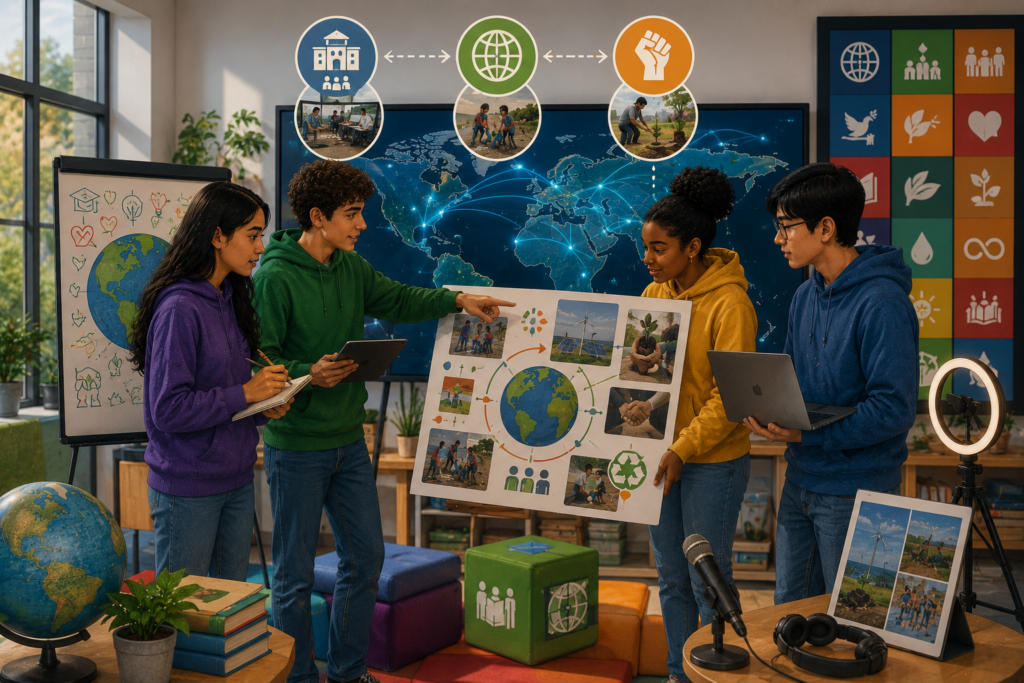
Students practice responding to questions after a proposal.
Question types:
clarification question
challenge question
evidence question
impact question
feasibility question
Example:
Question: “How will this action help?”
Response: “It will help because it reduces waste and makes students more responsible.”
Question: “What if students do not participate?”
Response: “We could start with one class first and use the results to motivate others.”
Part 3 – Exit Thesis Statement (10 min)
Each student creates one final thesis sentence.
Examples:
“Our school should reduce food waste because small daily habits can create a stronger culture of responsibility.”
“Students should support inclusion because everyone learns better when they feel respected.”
SESSION 3: CONSOLIDATION (80 min)
Part 1 – Preparation: Five-Keyword Brief Card (10 min)
Students prepare five keywords only:
issue
evidence
action
impact
recommendation
They cannot write a full script. This keeps the test focused on real speaking stamina.
Part 2 – Final Integrated Skills Test (55 min)
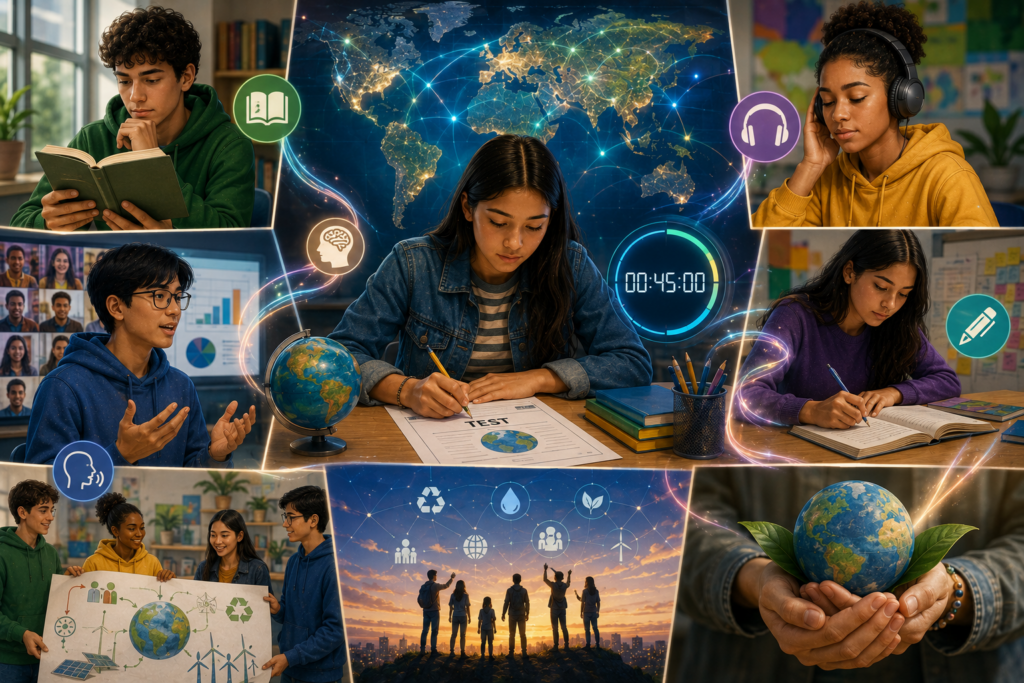
The final test includes reading, listening, speaking, collaborative interaction, and writing. The full test is in the Word document linked below.
BGU test structure:
Reading: short global citizenship text
Listening: teacher-read interview script
Speaking: 90-second global citizenship brief
Collaborative interaction: decision-making task
Writing: 100–120 word article or email
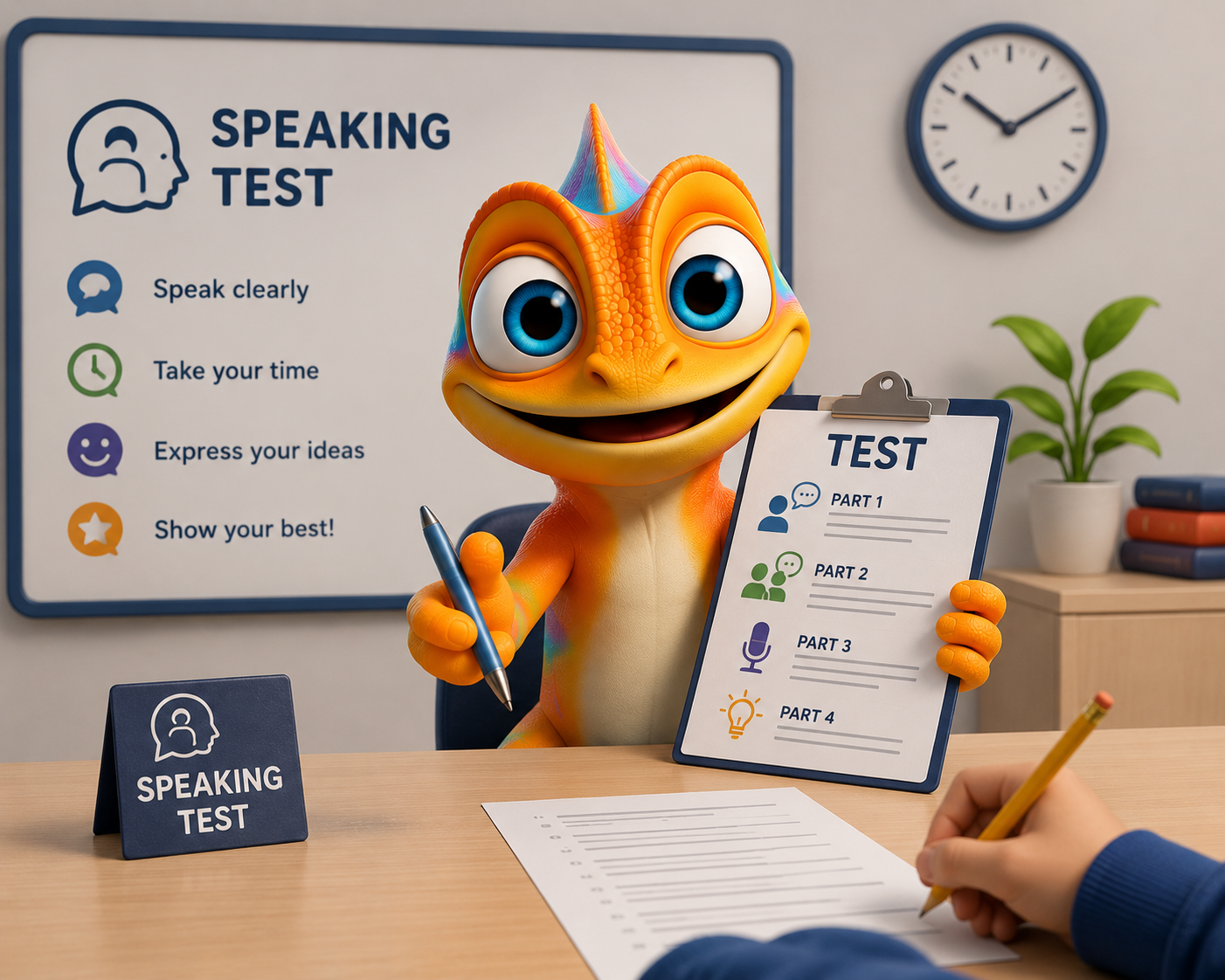
TEST:Global Citizenship Final Test
Part 3 – Legacy Reflection: The Final English Statement (15 min)
Students write and then say one final statement:
“This year, English helped me…”
“One skill I can use outside the classroom is…”
“One issue I can talk about more clearly now is…”
“One action I can take as a global citizen is…”
Motivational phrase
“The end of this level is not the end of your English; it is the moment you begin using it with purpose, evidence, respect, and impact.”
RUBRIC: Global Citizenship
NEE – Agregar el tipo de adaptaciones curriculares
Principio II: Pautas 6.1 – 6.3 – 6.4
Principio III: Pautas 7.1 – 8.1 – 9.1
ALUMNO 1: Constante monitoreo. Dar tiempo adicional para el desarrollo de la actividad y se reduce el número de ejercicios o se modifican los ejercicios con un nivel de dificultad reducido, de acuerdo con sus necesidades académicas.
ALUMNO 2: Constante monitoreo, Dar tiempo adicional para el desarrollo de la actividad y se reduce el número de ejercicios o se modifican los ejercicios con un nivel de dificultad reducido, de acuerdo con sus necesidades académicas.
ALUMNO 3: Constante monitoreo. Corroborar que el contenido entregado en clase haya sido comprendido por la estudiante mediante retroalimentación.