
Innovation
SKILLS
EFL.5.2.7 Present information clearly and effectively in a variety of oral forms for a range of audiences and purposes.
EFL.5.2.15 Engage in an extended conversation on most general topics and keep it going by expressing and responding to suggestions, opinions, attitudes, advice, feelings, etc.

REAL-LIFE APPLICATION
This topic helps students discuss what may be happening at specific points in the future in science, health, and medical technology. They learn to describe projected actions, future professional routines, patient care scenarios, and health trends using clear time references. This is useful for presentations, interviews, innovation projects, science discussions, career exploration, and academic conversations about the future of healthcare.
LEARNING ACTIVITIES
SESSION 1 (80 min) ANTICIPATION
Part 1: Anticipation: Medical Futures Snapshot (20 min)
The teacher shows three futuristic health snapshots:
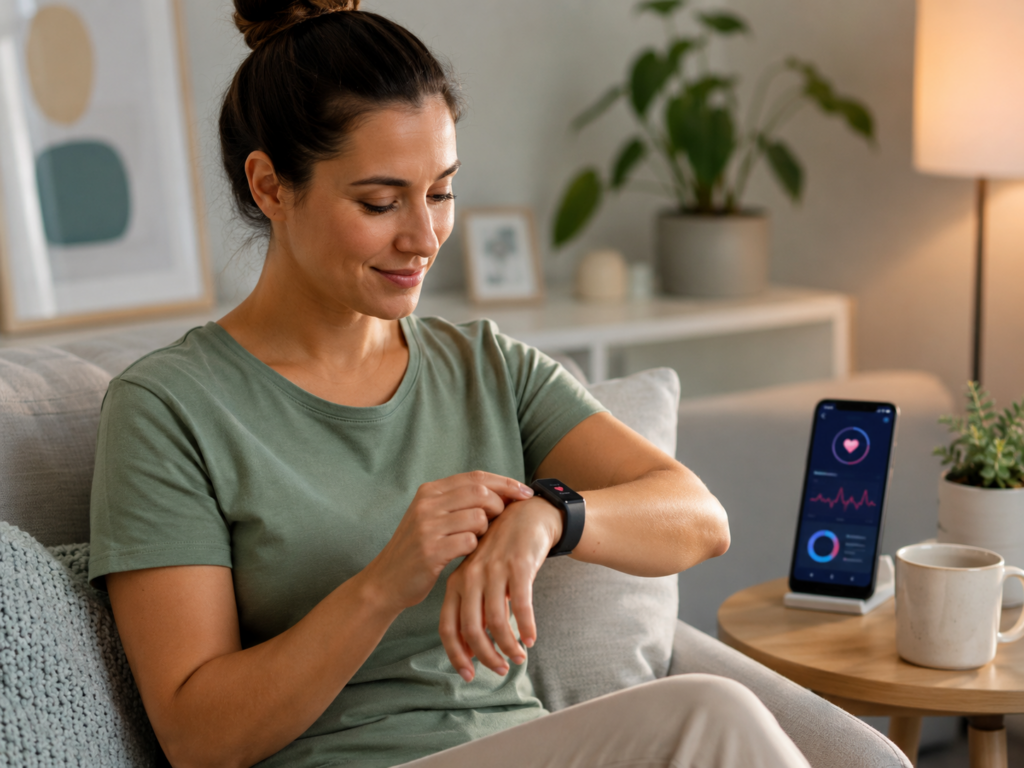


The teacher adds specific future times:
- In 2035, at 8:00 a.m.
- Tomorrow at noon.
- Next Friday during a medical conference.
Students discuss:
What will the patient be doing?
What will the doctor be analyzing?
What will scientists be testing?
What health problem will they be trying to solve?
What ethical or practical issue might appear?
The teacher guides students to produce Future Continuous:
“In 2035, patients will be monitoring their health at home.”
“Doctors will be analyzing digital body scans.”
“Scientists will be testing new medical tools.”
CONSTRUCTION
Part 2: Vocabulary for Science, Health Trends, and Medical Tech (15 min)
The teacher introduces vocabulary for future health discussions.
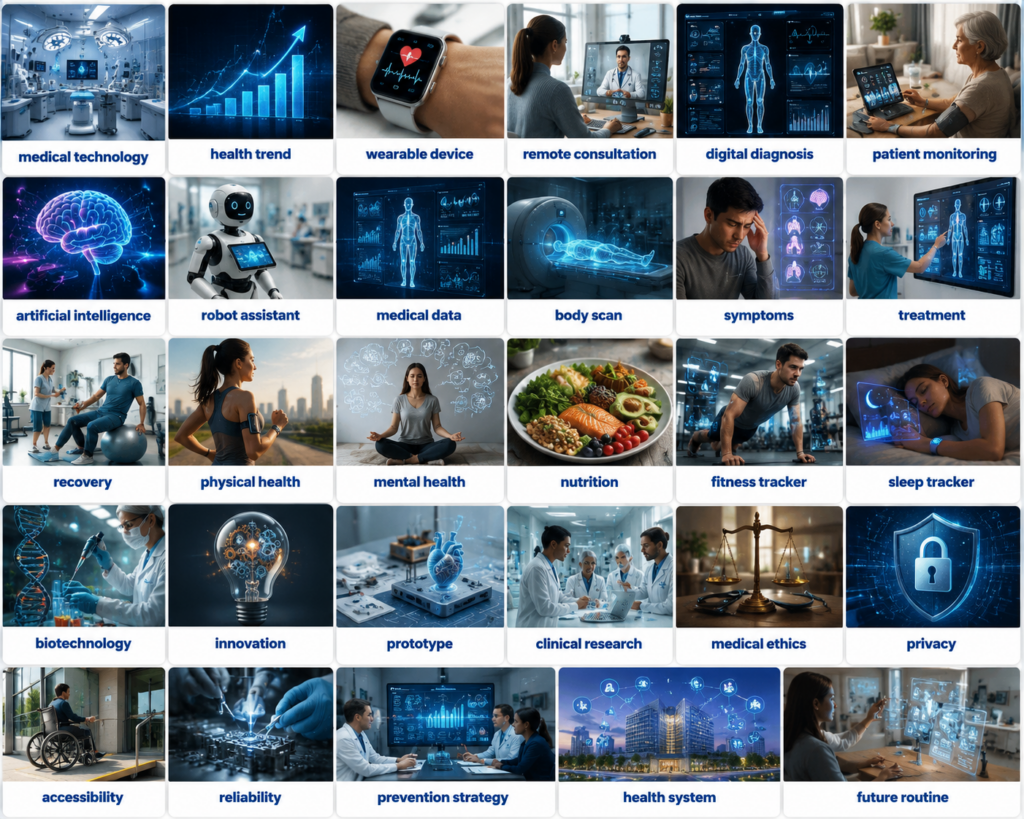
- medical technology
- health trend
- wearable device
- remote consultation
- digital diagnosis
- patient monitoring
- artificial intelligence
- robot assistant
- medical data
- body scan
- symptoms
- treatment
- prevention
- recovery
- physical health
- mental health
- nutrition
- fitness tracker
- sleep tracker
- biotechnology
- innovation
- prototype
- clinical research
- medical ethics
- privacy
- accessibility
- reliability
- prevention strategy
- health system
- future routine
Model sentences:
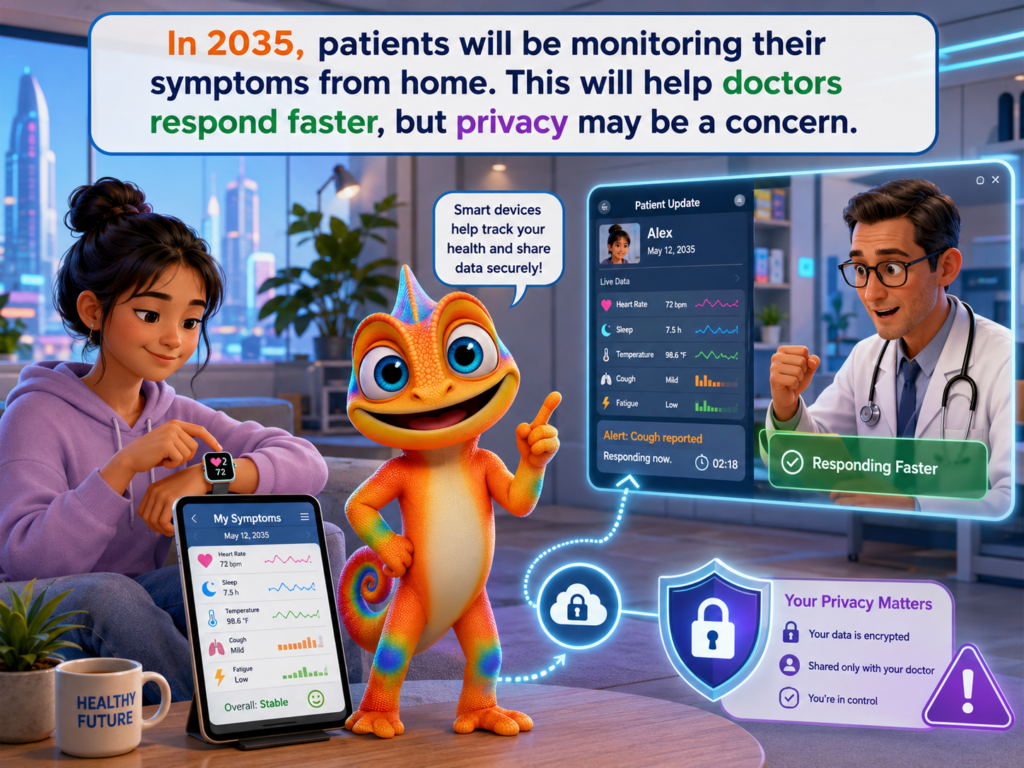
“In the future, patients will be monitoring their symptoms from home.”
“At the conference, scientists will be presenting medical prototypes.”
“Doctors will be using patient data to make faster decisions.”
“Students will be discussing privacy and access to health technology.”
Part 3: Grammar Input: Future Continuous for Specific Future Points (25 min)
The teacher explains:
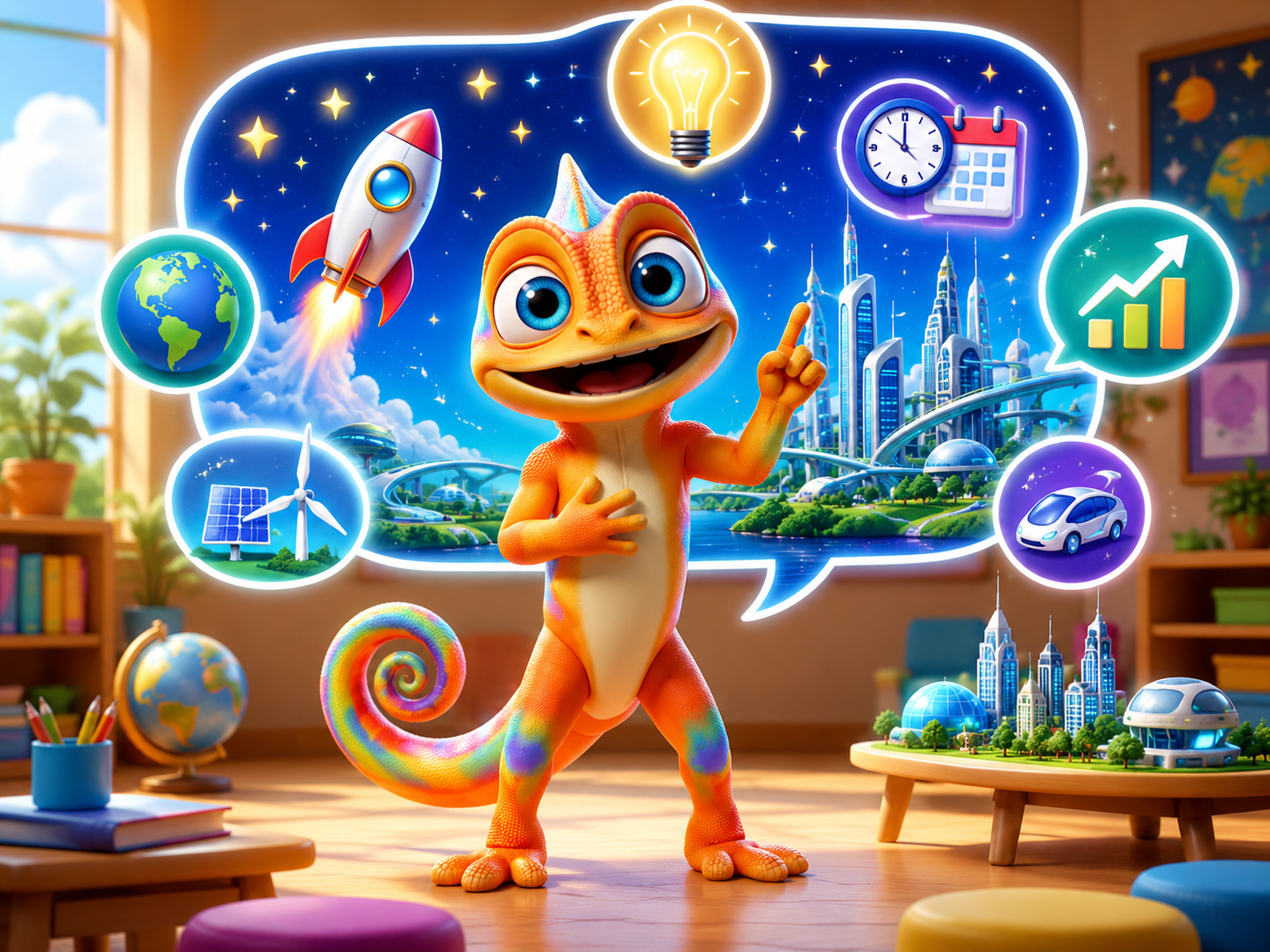
Future Continuous
Describes an action that will be in progress at a specific time in the future.
Structure:
subject + will be + verb-ing
Examples:
“Tomorrow at 9:00, the researcher will be testing the prototype.”
“In 2035, doctors will be using digital tools during consultations.”
“At this time next year, students will be studying new health trends.”
“Next Friday at noon, our group will be presenting a medical innovation.”
The teacher emphasizes the time reference. Future Continuous is especially useful when the speaker wants to show what will be happening at an exact future moment.
Compare:
Future Simple:
“Doctors will use AI tools.”
This is a general future prediction.
Future Continuous:
“In 2035, doctors will be using AI tools during consultations.”
This shows an action in progress at a future point.
Going to:
“Our group is going to design a prototype.”
This shows a plan.
Present Continuous:
“We are presenting the prototype on Friday.”
This shows an arranged future event.
Future Continuous:
“On Friday at 10:00, we will be presenting the prototype.”
This shows the action in progress at that specific time.
The teacher explains negative and question forms.
Negative:
“Patients will not be using the device without instructions.”
“The research team will not be testing the prototype tomorrow.”
Questions:
“What will doctors be doing in future hospitals?”
“Will patients be using wearable devices at home?”
“What will your group be presenting next week?”
The teacher also explains that Future Continuous can sound more professional when describing future work routines.
Simple:
“I will work in a hospital.”
More specific:
“At this time in ten years, I will be working in a hospital.”
Exercise:
Complete the sentences using Future Continuous.
- In 2035, doctors ______ digital tools during consultations.
- Tomorrow at 10:00, the research team ______ the prototype.
- Next Friday, our group ______ a medical innovation.
- At 8:00 p.m., patients ______ their symptoms from home.
- In future hospitals, robots ______ nurses with basic tasks.
- During the conference, experts ______ health trends.
- Next week, students ______ wearable devices.
- At this time next year, scientists ______ new treatments.
- In 2040, many people ______ health apps daily.
- Tomorrow afternoon, we ______ privacy issues in medical technology.
Watch the following video for better understanding
Part 4: Medical Innovation Forecast Lab (20 min)
Students work in innovation teams. Each team receives one future health scenario and must create a forecast.
Scenarios:
- A hospital in 2035 using robot assistants.
- A school using mental health apps.
- A family using wearable health devices.
- A doctor giving remote consultations.
- A scientist testing a new health prototype.
- A patient recovering at home with digital monitoring.
- A public health team tracking symptoms in a city.
- A sports center using fitness trackers.
- A clinic using digital body scans.
- A medical conference presenting new health trends.
Each team must produce:
- one specific future time
- one Future Continuous sentence
- one benefit
- one possible concern
- one question for another team
Example:
SESSION 2: CONSTRUCTION – REINFORCEMENT (40 min)
Part 1 – Expert Time Interview (15 min)
Students work in pairs. One student is a journalist, and the other is a health innovation expert. The journalist asks time-specific future questions.
Questions:
- What will doctors be doing in 2035?
- What will patients be using at home?
- What will scientists be testing next decade?
- What will your team be presenting next Friday?
- What will hospitals be changing in the future?
- What will students be learning about health technology?
- Will robots be helping nurses?
- Will patients be sharing medical data?
- What will people be wearing to monitor health?
- What will be happening in future clinics?
Students switch roles.
Part 2 – Future Scenario Soundbite (15 min)
Students create a 20-second professional soundbite about one future health trend. They must include one specific future time and one Future Continuous sentence.
Trends:
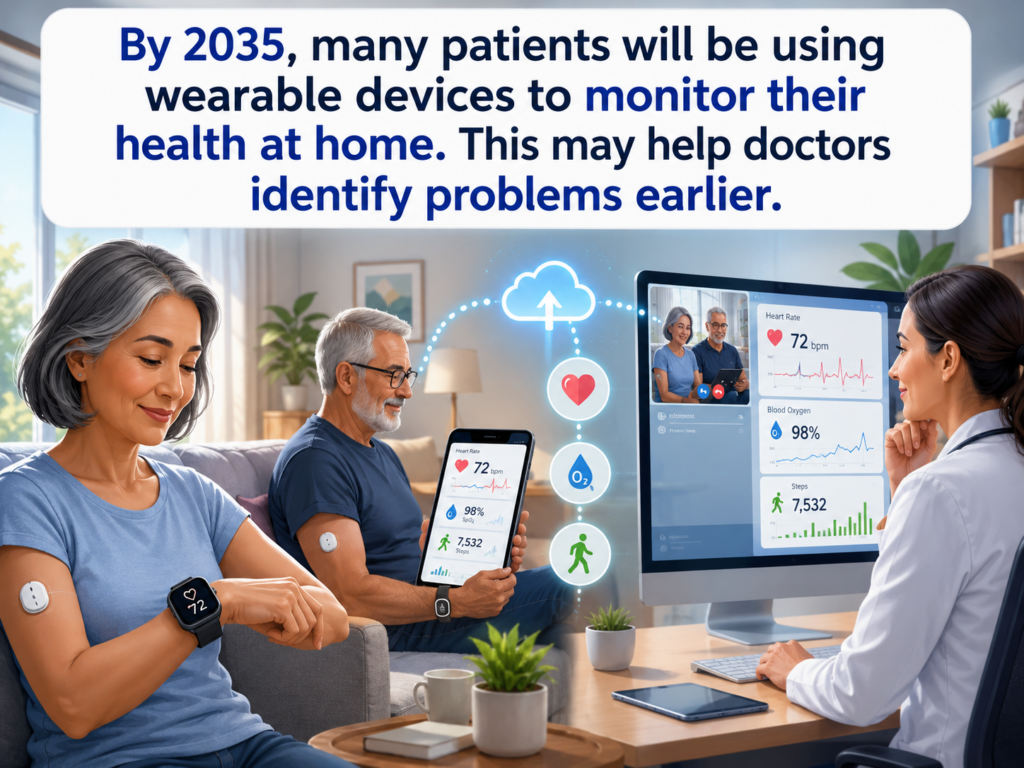
- wearable health devices
- remote consultations
- AI-assisted diagnosis
- robot assistants
- digital patient monitoring
- health apps
- mental health technology
- sleep trackers
- nutrition scanners
- emergency drones
Example:
Part 3 – Exit Forecast Sentence (10 min)
Each student says one sentence using:
At this time in the future, subject + will be + verb-ing.
Examples:
“At this time in ten years, I will be studying health technology.”
“In 2035, doctors will be using digital diagnosis tools.”
“Next Friday at 10:00, our group will be presenting a future clinic model.”
SESSION 3: CONSOLIDATION (80 min)
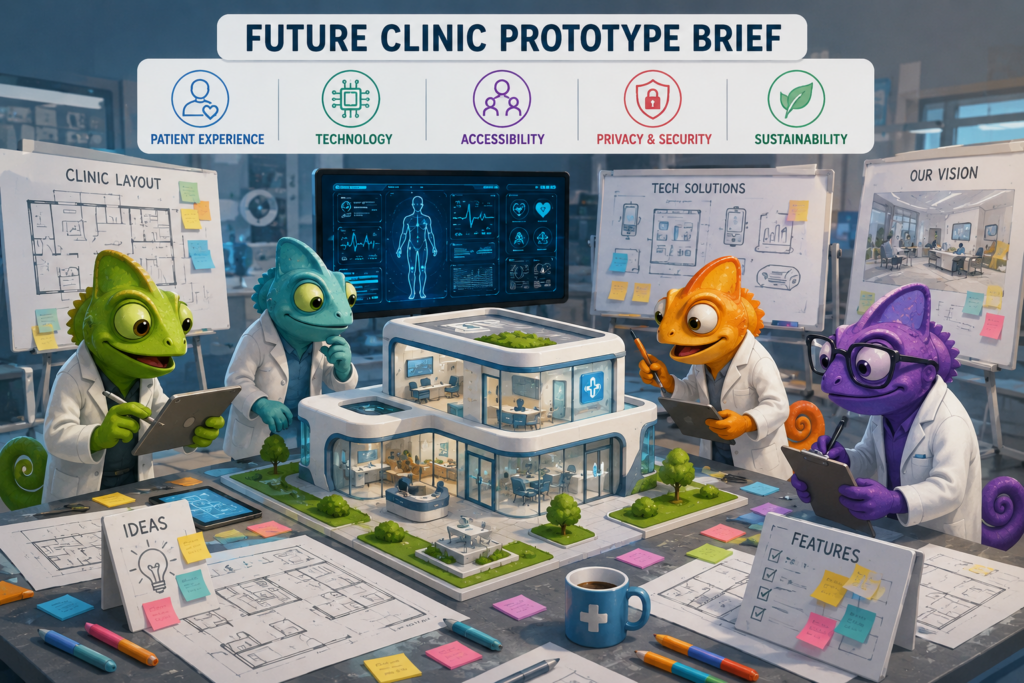
Part 1 – Preparation: Future Clinic Prototype Brief (15 min)
Students prepare a prototype idea for a future clinic. They cannot write a full script. They prepare a visual brief with:
- clinic name or concept
- health problem
- technology used
- patient experience
- specific future time
- possible benefit
- possible concern
Prototype options:
- remote consultation room
- wearable health monitoring system
- robot-assisted patient reception
- mental health app support corner
- digital body scan room
- nutrition and fitness tracker wall
- medicine reminder system
- emergency drone response model
- virtual recovery room
- school health-tech center
Required language:
Part 2 – Future Clinic Walkthrough (50 min)
Students present a walkthrough of their future clinic prototype. This is a guided simulation, not a normal presentation. One student acts as the guide, one acts as the patient, one explains the technology, and one explains a possible concern.
Presentation requirements:
- one specific future time
- three Future Continuous sentences
- three health or innovation vocabulary words
- one benefit
- one concern
- one audience question
Examples:
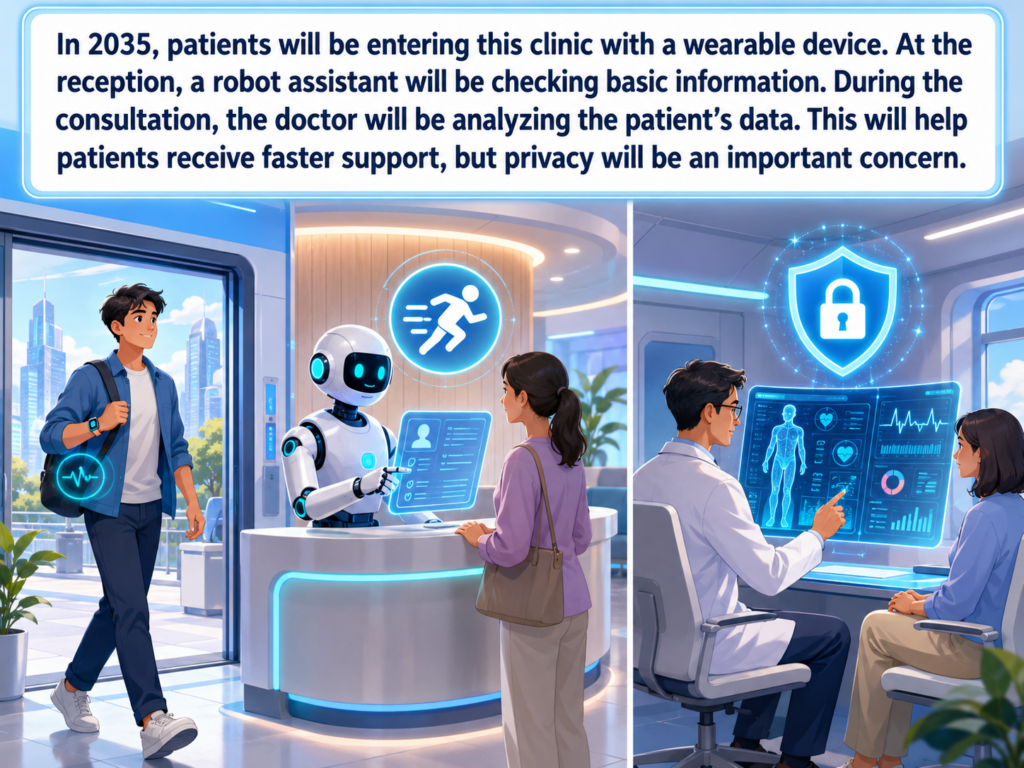
Audience questions:
- Who will be using this technology?
- What will the patient be doing first?
- What will the doctor be analyzing?
- Will the system be protecting patient privacy?
- What problem will this innovation be solving?
- What will happen if the technology fails?
- How will patients be learning to use it?
- Will nurses be working with the system?
- How will this help the health system?
- What will your team be improving after feedback?
Gamification:
Teams earn prototype badges:
- Future Continuous Accuracy Badge
- Innovation Logic Badge
- Health Vocabulary Badge
- Patient Experience Badge
- Ethical Concern Badge
- Professional Communication Badge
Part 3 – Prototype Review Circle (15 min)
Students vote for:
- most realistic future clinic
- clearest Future Continuous use
- best patient experience
- strongest innovation idea
- best explanation of a concern
They explain their vote orally.
Examples:
“I voted for this team because they explained what patients will be doing clearly.”
“Their prototype was realistic because doctors will be using the device during consultations.”
“The concern was important because patient data will be shared.”
RUBRIC:
Innovation Future Continuous
NEE – Agregar el tipo de adaptaciones curriculares
Principio II: Pautas 6.1 – 6.3 – 6.4
Principio III: Pautas 7.1 – 8.1 – 9.1
ALUMNO 1: Constante monitoreo. Dar tiempo adicional para el desarrollo de la actividad y se reduce el número de ejercicios o se modifican los ejercicios con un nivel de dificultad reducido, de acuerdo con sus necesidades académicas.
ALUMNO 2: Constante monitoreo, Dar tiempo adicional para el desarrollo de la actividad y se reduce el número de ejercicios o se modifican los ejercicios con un nivel de dificultad reducido, de acuerdo con sus necesidades académicas.
ALUMNO 3: Constante monitoreo. Corroborar que el contenido entregado en clase haya sido comprendido por la estudiante mediante retroalimentación.