
Cultural Traditions
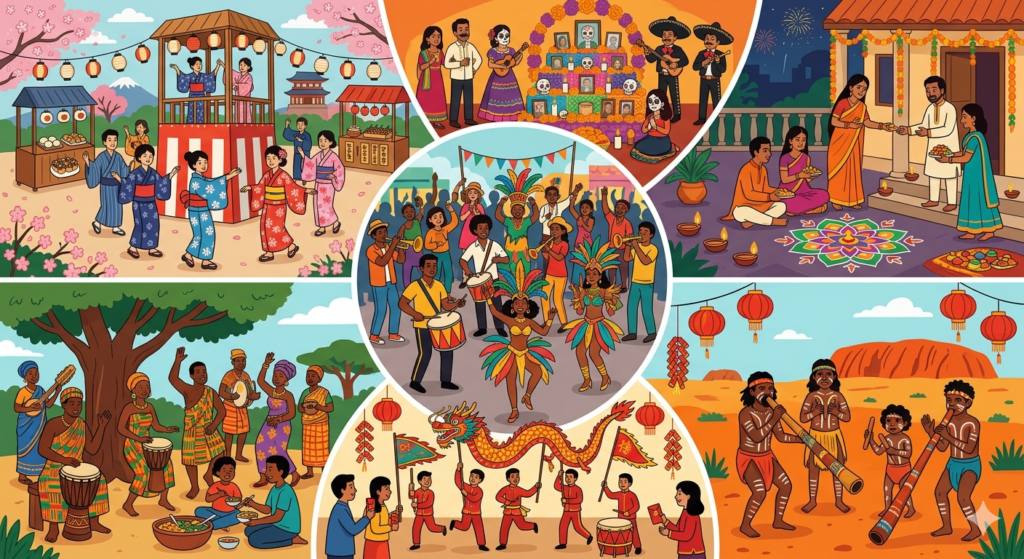
SKILLS
EFL.5.1.3 Find parallels between Ecuadorian cultural and political referents and those of other countries by talking about holidays, symbols, customs and schooling.
EFL.5.4.1 Apply punctuation and capitalization conventions correctly to help the reader understand the message in personal and academic texts.

REAL-LIFE APPLICATION
This topic helps students analyze how traditions express identity, values, and collective memory. By comparing Ecuadorian traditions with global traditions, students learn to recognize cultural parallels and communicate respectfully about diversity. The punctuation focus helps them write clearer academic comparisons, avoiding sentence fragments and run-on sentences. In real life, this supports intercultural communication, academic writing, and the ability to explain one’s own culture with clarity and respect.
LEARNING ACTIVITIES
SESSION 1 (80 min) ANTICIPATION
Part 1 (20 min)
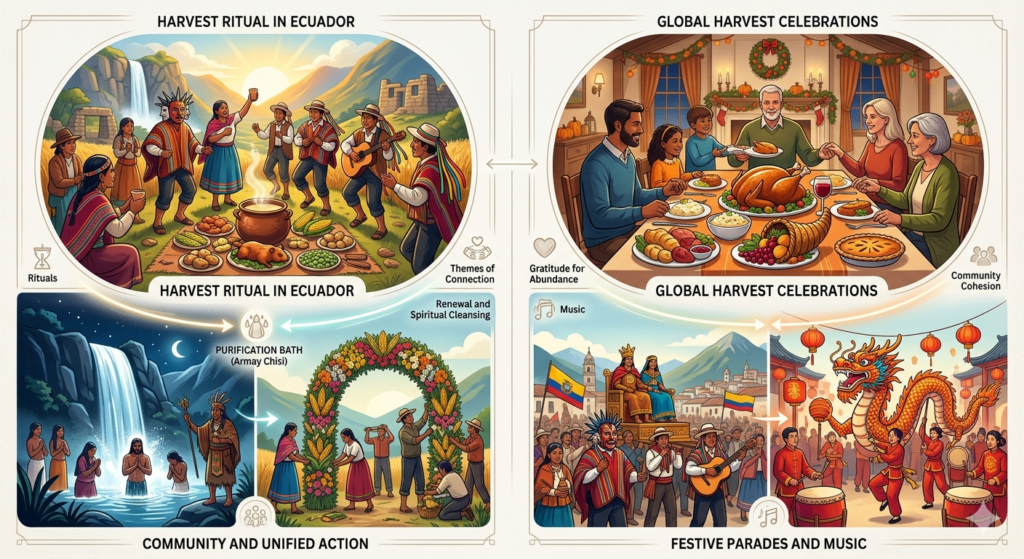
The teacher presents the opening image and asks:
Why do different cultures create traditions that serve similar purposes?
Students write an individual response and then discuss in groups. Each group identifies one tradition from Ecuador and one from another country, focusing on what both traditions reveal about identity, community, or memory. The teacher guides the discussion toward the idea of cultural parallels.
CONSTRUCTION
Part 2: Vocabulary and Concept Development (15 min)
The teacher introduces vocabulary for cultural analysis:
- cultural identity
- heritage
- ritual
- symbol
- collective memory
- community
- celebration
- tradition
- custom
- values
- belief
- ceremony
- parallel
- contrast
- belonging
- diversity
- intercultural respect
- historical meaning
- social purpose
- cultural expression
The teacher explains the vocabulary through examples. Students choose five terms and write original sentences connected to Ecuadorian or global traditions.
Part 3: Sentence Boundaries and Punctuation for Comparison (20 min)
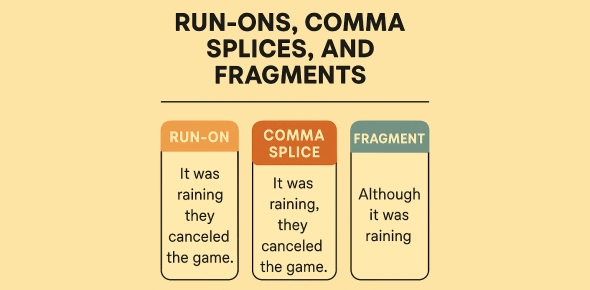
The teacher explains that comparative writing requires complete sentences and clear punctuation. Students analyze examples of sentence fragments, comma splices, and run-on sentences. The teacher writes: Inti Raymi celebrates the sun it reflects Andean identity. Students identify the problem and correct it: Inti Raymi celebrates the sun, and it reflects Andean identity. The teacher models how commas, periods, and coordinating conjunctions help separate and connect ideas clearly.
Part 4: Cultural Parallel Analysis (25 min)
Students work in groups to compare two traditions: one Ecuadorian and one global. They must identify purpose, symbols, participants, values, and social meaning. Instead of only listing facts, students explain the parallel between both traditions. For example, Día de los Difuntos and Día de los Muertos both connect families with memory and respect for ancestors, although they use different symbols and practices. Groups prepare three complete comparative sentences.
SESSION 2: CONSTRUCTION – REINFORCEMENT (40 min)
Part 1 – Cultural Micro-Case Analysis (15 min)
The teacher gives students short micro-cases about traditions from Ecuador and other cultures. Students identify what each tradition represents and what possible parallel exists. This activity is different from simple vocabulary practice because students must interpret meaning, not just classify information. The teacher encourages students to support their answers with one clear sentence.
Part 2 – Sentence Surgery (15 min)
Students receive complex but incorrect comparison sentences with punctuation problems. They must repair fragments, run-on sentences, and comma errors.
For example: Thanksgiving is a family celebration it includes food and gratitude. Students rewrite it as: Thanksgiving is a family celebration. It includes food and gratitude. The teacher explains that punctuation affects meaning and academic clarity.
Part 3 – Comparative Claim (10 min)
Students write one strong comparative claim using one Ecuadorian tradition and one world tradition. The sentence must show a clear parallel and correct punctuation.
For example: Both Inti Raymi and Chinese New Year connect celebration with renewal, but they express this idea through different symbols. The teacher collects examples for quick feedback.
SESSION 3: CONSOLIDATION (80 min)
Part 1 – Preparation (15 min)
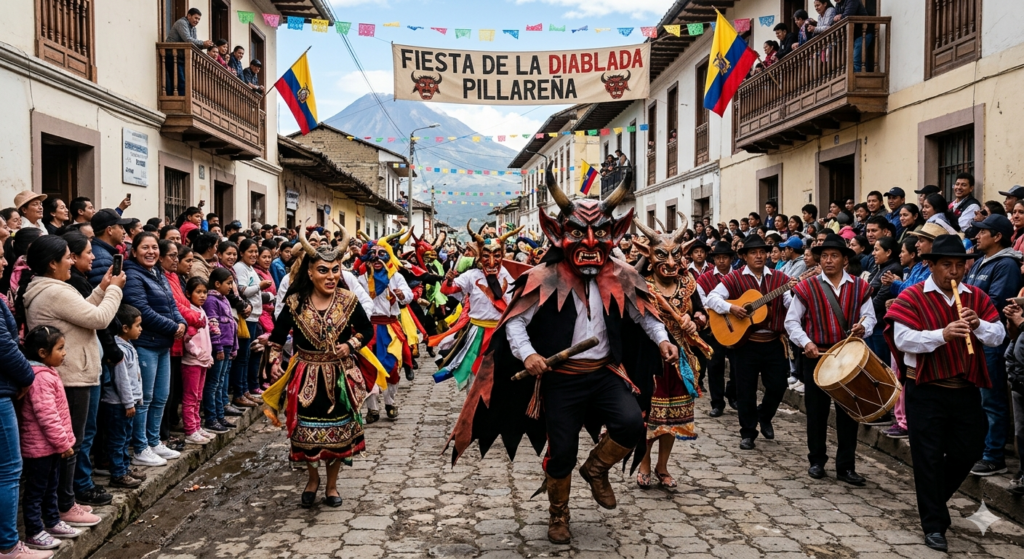
Students work in small groups and choose one Ecuadorian tradition and one world tradition. They prepare a short oral comparison using the vocabulary from the topic. The teacher reminds them to include at least one similarity, one difference, and correct punctuation in their written speaking notes.
Part 2 – Cultural Comparison Presentation (45 min)
Each group presents for 2–3 minutes. Students present a simple comparison using visual support. They must mention the tradition, the country, one similarity, one difference, and at least five vocabulary words.
Part 3 – Oral Feedback and Reflection (20 min)
After each presentation, classmates answer one question: “What similarity did you notice between both traditions?” The teacher gives brief feedback on clarity, vocabulary use, and comparison. Students close by saying one thing they learned about another culture.
 RUBRIC:
Cultural Comparison Presentation
NEE – Agregar el tipo de adaptaciones curriculares
Principio II: Pautas 6.1 – 6.3 – 6.4
Principio III: Pautas 7.1 – 8.1 – 9.1
ALUMNO 1: Constante monitoreo. Dar tiempo adicional para el desarrollo de la actividad y se reduce el número de ejercicios o se modifican los ejercicios con un nivel de dificultad reducido, de acuerdo con sus necesidades académicas.
ALUMNO 2: Constante monitoreo, Dar tiempo adicional para el desarrollo de la actividad y se reduce el número de ejercicios o se modifican los ejercicios con un nivel de dificultad reducido, de acuerdo con sus necesidades académicas.
ALUMNO 3: Constante monitoreo. Corroborar que el contenido entregado en clase haya sido comprendido por la estudiante mediante retroalimentación.